
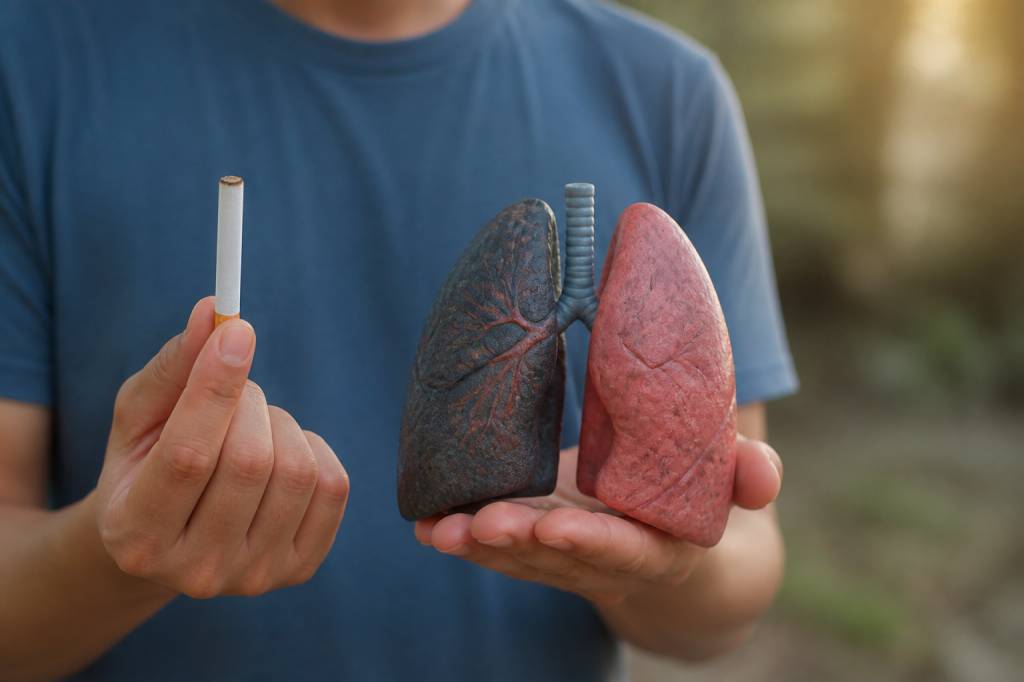
Every tobacco decision matters. Whether you smoke occasionally, use smokeless tobacco, vape, or live with someone who does, understanding the facts can make it easier to protect your health. Tobacco is often discussed through statistics, but behind every number is a real person, a family, or a daily habit that can change.
As Amelia Woods, I believe health information should be practical rather than judgmental. You do not need to make every change at once. Sometimes, the first step is simply learning what tobacco does, how nicotine affects the brain, and where support is available. Here are ten important facts to help you make more informed decisions.
Tobacco is addictive because of nicotine
Nicotine is the primary addictive substance in tobacco. It reaches the brain quickly and stimulates the release of dopamine, a chemical linked to pleasure and reward. This can create a cycle: a person uses tobacco, experiences temporary relief or satisfaction, and then feels cravings when nicotine levels fall.
Over time, the brain can begin to expect nicotine. That is why quitting is not simply a matter of “having enough willpower.” Dependence can affect mood, concentration, sleep, and appetite. Withdrawal symptoms may include irritability, anxiety, restlessness, headaches, and strong cravings.
Some people become dependent after relatively limited use, while others develop addiction gradually. Occasional smoking is not risk-free, especially if it becomes connected to specific routines such as coffee, alcohol, driving, or social gatherings.
Tobacco smoke contains thousands of chemicals
Cigarette smoke is not just tobacco and water vapor. It contains thousands of chemicals, including substances that can damage cells and increase cancer risk. Many are produced or intensified when tobacco burns.
These substances can include carbon monoxide, formaldehyde, benzene, and tobacco-specific nitrosamines. Carbon monoxide reduces the blood’s ability to carry oxygen, while other chemicals can damage DNA and contribute to inflammation.
A useful way to think about smoking is this: every puff delivers a chemical mixture directly into the lungs and bloodstream. Filters may change the feel of smoke, but they do not make cigarettes safe. “Light,” “mild,” and similar labels can also create a misleading impression of reduced harm.
Smoking harms nearly every organ in the body
The lungs are not the only organs affected by tobacco. Smoking can damage the cardiovascular system, weaken the immune system, affect reproductive health, and increase the risk of several chronic diseases.
Tobacco use is strongly linked with heart disease and stroke. Chemicals in smoke can injure blood vessels, raise blood pressure, and encourage plaque buildup in arteries. Smoking also makes blood more likely to clot, which can block blood flow to the heart or brain.
Other health conditions associated with smoking include chronic obstructive pulmonary disease, respiratory infections, type 2 diabetes, osteoporosis, and certain eye diseases. Wounds may heal more slowly, and dental health can suffer through gum disease, tooth loss, and persistent bad breath.
This wide-ranging impact is one reason tobacco belongs in everyday health conversations, alongside nutrition, movement, sleep, and stress management.
Tobacco is a major cause of preventable cancer
Tobacco use can cause cancer in many parts of the body, including the lungs, mouth, throat, esophagus, pancreas, stomach, liver, kidney, bladder, cervix, colon, and rectum. It can also contribute to certain blood cancers.
Lung cancer receives the most attention because smoking is its leading preventable cause. However, the risk is not limited to people who smoke heavily or for many decades. Risk generally increases with the number of years someone uses tobacco and the amount consumed, but there is no completely safe level of smoking.
Quitting lowers cancer risk over time. The body begins repairing itself after the last cigarette, although the timeline differs from person to person. Stopping today is valuable even if you have smoked for years.
Secondhand smoke affects people who do not use tobacco
Secondhand smoke is the smoke released from a burning cigarette, cigar, or pipe, along with the smoke exhaled by a smoker. It contains many of the same harmful chemicals inhaled directly by the person using tobacco.
Exposure can increase the risk of heart disease, stroke, lung cancer, and respiratory problems. Children exposed to secondhand smoke are more likely to experience asthma attacks, ear infections, bronchitis, pneumonia, and impaired lung development. Infants exposed during pregnancy or after birth also face additional risks.
Opening a window, using a fan, or smoking in another room does not fully protect others. Smoke can travel through air systems and linger on surfaces. The safest approach is to keep homes and vehicles completely tobacco-free.
Smoking during pregnancy can affect two generations
When a pregnant person smokes, nicotine and other chemicals can cross the placenta and affect the developing baby. Smoking during pregnancy is associated with complications such as premature birth, low birth weight, placental problems, and stillbirth. It can also affect fetal lung and brain development.
Secondhand smoke exposure during pregnancy can also be harmful. After birth, babies exposed to smoke face a higher risk of sudden infant death syndrome and respiratory illness.
Quitting before pregnancy is ideal, but stopping at any point can help. Someone who has already smoked during pregnancy should not assume it is too late to make a difference. A healthcare professional can offer confidential, practical support without judgment.
Smokeless tobacco is not a safe alternative
Products such as chewing tobacco, snuff, snus, and nicotine pouches vary in composition, but traditional smokeless tobacco can still deliver addictive nicotine and harmful chemicals. It is associated with cancers of the mouth, throat, esophagus, and pancreas, as well as gum disease, tooth loss, and lesions in the mouth.
Some products may expose users to fewer toxic chemicals than cigarettes, but “less harmful” does not mean harmless. Switching from smoking to a different tobacco product may reduce exposure to certain substances, yet continuing nicotine dependence can make it harder to become tobacco-free.
If you are considering a change, discuss evidence-based options with a healthcare professional rather than relying on advertising claims. A product’s packaging is not a substitute for medical guidance.
Vaping is different from smoking, but it is not risk-free
E-cigarettes heat a liquid to create an aerosol rather than burning tobacco. This aerosol can contain nicotine, ultrafine particles, flavoring chemicals, and other substances that may irritate or damage the lungs. The long-term health effects of vaping are still being studied.
For adults who already smoke, switching completely from combustible cigarettes to vaping may reduce exposure to some harmful chemicals. However, using both cigarettes and e-cigarettes can maintain health risks and nicotine dependence. The greatest health benefit comes from moving away from all tobacco and nicotine products.
Vaping is particularly inappropriate for young people, pregnant individuals, and anyone who does not already use nicotine. Bright flavors and discreet devices can make vaping seem harmless, but nicotine can affect the developing adolescent brain and reinforce addiction.
Quitting produces benefits quickly
The body begins to recover soon after tobacco use stops. Heart rate and blood pressure can start moving toward healthier levels, carbon monoxide in the blood decreases, and circulation and lung function may improve over time.
As the months and years pass, the risk of heart disease, stroke, respiratory illness, and several cancers continues to decline. Many people also notice practical improvements: food tastes better, breathing during exercise becomes easier, clothes smell fresher, and money once spent on tobacco remains in the bank.
Imagine putting the cost of a daily pack into a savings account instead. Even small daily amounts can become meaningful over a year. Better health and extra financial breathing room make a powerful combination.
Quitting is more successful with support
People often try to quit several times before stopping for good. A return to smoking is not proof of failure; it is information about what triggered the relapse and what support may be needed next time.
Helpful strategies include identifying triggers, setting a quit date, removing tobacco from your home, planning for cravings, and telling supportive friends or relatives. Physical activity can also help manage stress and restlessness. A short walk, a glass of water, deep breathing, or a healthy snack may create enough space for a craving to pass.
Nicotine replacement therapy, including patches, gum, lozenges, inhalers, or nasal sprays, can reduce withdrawal symptoms. Prescription medicines may also help some people. Ask a doctor, pharmacist, or qualified cessation counselor which option is appropriate for you, particularly if you are pregnant, have a chronic condition, or take other medication.
Small decisions can protect long-term health
Tobacco use is influenced by stress, social pressure, advertising, routine, and addiction. That means health decisions should focus on support rather than shame. If you use tobacco, consider one realistic action today:
- Write down why you would like to cut down or quit.
- Track when and why cravings happen.
- Delay your next cigarette by ten minutes, then repeat.
- Ask a healthcare professional about nicotine replacement or medication.
- Make your home and car smoke-free.
- Tell one trusted person how they can support you.
- Contact a local quitline or evidence-based smoking cessation service.
You do not have to wait for a perfect moment. The best time to protect your lungs, heart, and future health is the next moment you can choose. If you are ready to stop, ask for help; if you are not ready, learning more is still a meaningful beginning.
Health note: This article is for general education and does not replace personalized medical advice. A doctor, pharmacist, or qualified healthcare professional can help you choose a safe tobacco-cessation plan.