
10 importance of food safety: essential tips for protecting your health
10 importance of food safety: essential tips for protecting your health
By Amelia Woods
Food is meant to nourish, energize, and bring people together. Yet when it is handled, stored, or prepared incorrectly, it can also carry harmful bacteria, viruses, parasites, and chemicals. Foodborne illness may cause anything from a few uncomfortable hours to serious health complications, especially for young children, older adults, pregnant people, and anyone with a weakened immune system.
Food safety is not only the responsibility of restaurants and food manufacturers. It begins in your own kitchen, with simple daily habits that protect everyone who shares your meals. Washing your hands, separating raw ingredients, cooking food thoroughly, and storing leftovers properly can make a remarkable difference.
Here are ten important reasons food safety matters, along with practical tips you can use at home.
It Helps Prevent Foodborne Illness
The most obvious reason food safety matters is that it reduces the risk of foodborne illness. Contaminated food can contain organisms such as Salmonella, E. coli, Listeria, and norovirus. These contaminants may cause nausea, vomiting, diarrhea, stomach cramps, fever, and dehydration.
Some foodborne illnesses are mild, but others can require medical treatment or hospitalization. The good news is that many infections are preventable. Careful food handling interrupts the chain between contamination and consumption.
- Wash your hands before preparing or eating food.
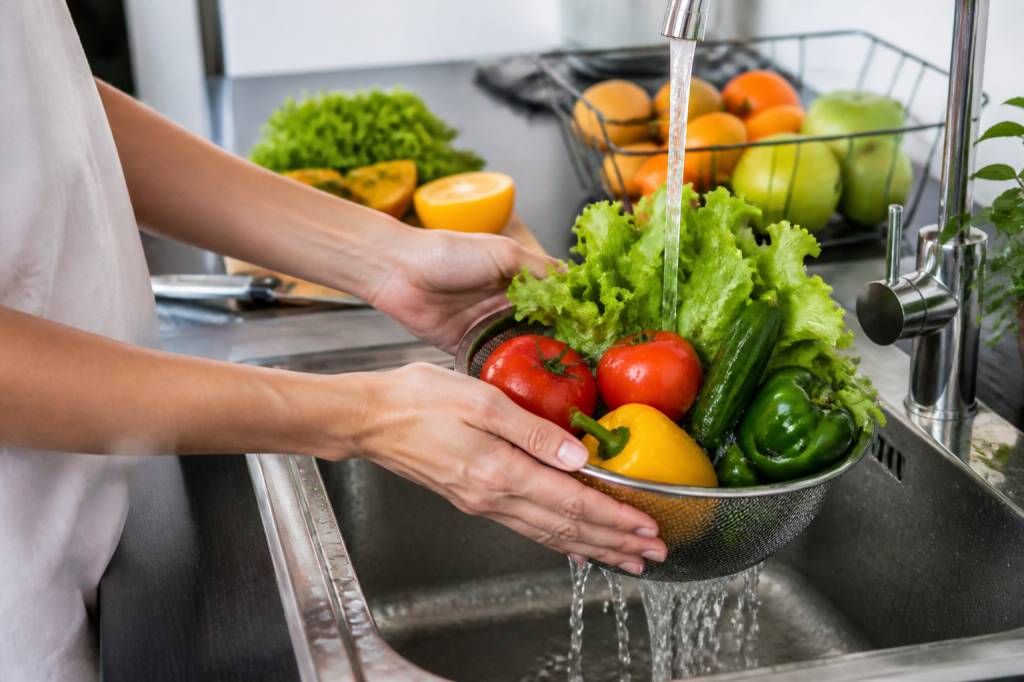
- Rinse fruits and vegetables under running water, even if you plan to peel them.
- Cook meat, poultry, seafood, and eggs thoroughly.
- Keep food away from surfaces that may contain dirt or bacteria.
A few extra seconds of care are far easier than spending a day recovering from food poisoning.
It Protects Vulnerable People
Food safety is important for everyone, but certain groups face a higher risk of severe illness. Pregnant people, infants, older adults, and individuals with conditions that weaken the immune system may develop complications from bacteria that cause only mild symptoms in others.
For example, Listeria can be especially dangerous during pregnancy. Babies and older adults may also become dehydrated more quickly when they experience vomiting or diarrhea.
If you are cooking for someone in a higher-risk group, take extra precautions. Avoid unpasteurized milk and juices, undercooked eggs, raw seafood, and meat that has not reached a safe internal temperature. When in doubt, choose the safer option. No one wants a “surprise ingredient” called food poisoning at the dinner table.
It Prevents Cross-Contamination
Cross-contamination occurs when harmful microorganisms move from one food, utensil, or surface to another. A common example is cutting raw chicken on a board and then using the same board for salad ingredients without washing it first.
Raw meat and poultry can carry bacteria that should never reach ready-to-eat foods. Cross-contamination can happen through knives, cutting boards, countertops, grocery bags, hands, and even refrigerator shelves.
- Use separate cutting boards for raw proteins and produce when possible.
- Wash knives, plates, and utensils with hot, soapy water after contact with raw food.
- Store raw meat in sealed containers on the bottom refrigerator shelf.
- Never place cooked food on a plate that previously held raw meat unless it has been washed.
- Keep reusable grocery bags clean, especially if they carry meat or seafood.
Think of raw ingredients as guests who need their own entrance. Keep them away from foods that are ready to eat.
It Ensures Food Is Cooked Safely
Appearance alone cannot tell you whether food is safe. Meat may look brown on the outside while remaining undercooked inside. A food thermometer is one of the most reliable tools in a kitchen because it measures the internal temperature rather than relying on guesswork.
Insert the thermometer into the thickest part of the food, avoiding bones. Clean the thermometer between uses, particularly when checking raw and cooked foods.
- Ground meats should generally reach 160°F or 71°C.
- Poultry should generally reach 165°F or 74°C.
- Leftovers and casseroles should be reheated to 165°F or 74°C.
- Fish should be opaque and separate easily with a fork, while also reaching a safe internal temperature.
Cooking temperatures can vary depending on local food safety guidance, so use a trusted public health source for detailed recommendations. A small thermometer can provide much more confidence than a dramatic poke with a fork.
It Keeps Food Out of the Danger Zone
Bacteria multiply quickly when food stays between 40°F and 140°F, or approximately 4°C and 60°C. This temperature range is often called the danger zone. Food should not remain at room temperature for long periods, particularly in warm weather.
Perishable foods should generally be refrigerated within two hours. If the temperature is above 90°F or 32°C, refrigerate them within one hour. This includes cooked meals, dairy products, eggs, seafood, sliced meats, and prepared salads.
When serving food at a gathering, keep cold foods chilled and hot foods hot. Use ice trays, insulated containers, slow cookers, or warming dishes as appropriate. A buffet may look inviting, but it should not become a comfortable home for bacteria.
It Preserves Food Quality and Reduces Waste
Safe storage does more than prevent illness. It also helps food retain its flavor, texture, and nutritional value. Properly sealed ingredients are less likely to dry out, develop freezer burn, absorb odors, or spoil before you can use them.
Store leftovers in shallow, airtight containers so they cool more quickly. Label containers with the date they were prepared. This simple habit makes it easier to identify older food before it becomes questionable.
- Keep refrigerator temperature at or below 40°F, or 4°C.
- Keep freezer temperature at 0°F, or -18°C.
- Use leftovers within the time recommended by your local food safety authority.
- Do not rely only on smell or appearance; some harmful bacteria do not change the food’s odor or look.
- When food appears moldy or suspicious, throw it away rather than tasting it.
Safe storage protects both your health and your grocery budget. Less waste means more value from every shopping trip.
It Supports Better Kitchen Hygiene
A clean kitchen is an important part of a healthy home. However, cleaning and sanitizing are not exactly the same. Cleaning removes food particles and dirt, while sanitizing reduces microorganisms on a surface after it has been cleaned.
Wash countertops, cutting boards, refrigerator handles, and frequently touched surfaces regularly. Replace sponges often or wash reusable cleaning cloths in hot water. Damp sponges can collect bacteria, so leaving one beside the sink indefinitely is not the hygiene strategy it may appear to be.
Do not prepare food when you have vomiting or diarrhea. If you must care for others, wash your hands carefully and avoid handling ready-to-eat foods. Certain viruses can spread easily through kitchens, even when surfaces appear spotless.
It Makes Grocery Shopping Safer
Food safety begins before you arrive home. At the grocery store, choose packaged foods that are intact and check expiration or “best by” information. Avoid cans that are swollen, leaking, badly dented, or rusty, as these may indicate damage or contamination.
Pick up refrigerated and frozen products near the end of your shopping trip. Place them in a cooler bag if the journey home will take a while. Once you arrive, refrigerate or freeze perishable foods promptly.
Keep raw meat, poultry, and seafood in separate grocery bags or sealed containers. This prevents their juices from leaking onto fresh produce, bread, or other ready-to-eat items. Organizing your cart may seem minor, but it is one of the easiest ways to reduce cross-contamination before cooking even begins.
It Helps You Handle Allergens Responsibly
Food safety also includes protecting people with food allergies and intolerances. Even a small amount of an allergen can cause a serious reaction in some individuals. Common allergens include peanuts, tree nuts, milk, eggs, wheat, soy, fish, and shellfish.
Read ingredient labels carefully, particularly when buying packaged foods. Formulas can change, so do not assume a product is safe simply because you have purchased it before.
- Clean surfaces before preparing allergy-friendly food.
- Use separate utensils when necessary.
- Wash hands after handling allergens.
- Store allergen-containing products in sealed containers.
- Ask guests about allergies before planning a shared meal.
For someone with a severe allergy, a little communication can be as valuable as the meal itself. Never dismiss an allergy as a preference or encourage someone to “try just a bite.”
It Improves Nutrition and Overall Wellness
Safe food practices make it easier to enjoy a varied, nourishing diet. When fresh produce, proteins, grains, and leftovers are stored correctly, they remain available for balanced meals throughout the week.
Food safety also encourages mindful preparation. Washing produce, checking labels, planning portions, and cooking at home can help you become more aware of what you eat. This awareness may support healthy choices such as including more vegetables, choosing lean proteins, and limiting highly processed foods.
Remember that healthy ingredients are not automatically safe if they are mishandled. A colorful salad can still cause illness if the vegetables are not washed or if they come into contact with raw poultry. Nutrition and food safety work together; one should never be treated as a substitute for the other.
It Builds Healthy Habits for the Whole Family
Food safety is easier when it becomes part of your routine rather than a list of emergency rules. Children can learn to wash their hands, keep raw foods separate, and place leftovers in the refrigerator. Older family members can help check storage dates or use a food thermometer.
Create simple kitchen habits that everyone understands:
- Wash hands for at least 20 seconds with soap and water.
- Clean as you cook to prevent clutter and accidental contamination.
- Keep pets away from food preparation areas.
- Use clean utensils for tasting instead of returning a used spoon to the dish.
- Refrigerate leftovers promptly after meals.
These actions may feel small, but repeated habits have a powerful effect. A family that practices food safety together is better prepared to protect its health at home, during celebrations, and while traveling.
A Simple Food Safety Routine to Remember
When you need a quick reminder, think of four basic steps: clean, separate, cook, and chill. Clean your hands and surfaces. Separate raw foods from ready-to-eat foods. Cook ingredients to safe internal temperatures. Chill perishable foods promptly.
These four actions cover many of the most common causes of foodborne illness. They also make meal preparation calmer and more organized. Whether you are preparing a quick breakfast, packing lunch, or hosting a large dinner, food safety deserves a place beside flavor and presentation.
Protecting your health does not require complicated equipment or professional training. It requires attention, consistency, and a willingness to treat every ingredient with care. The next time you prepare a meal, take a moment to ask: Are my hands clean? Are raw and cooked foods separated? Has everything been cooked and stored properly? Those simple questions can help keep your food delicious, nourishing, and safe.