
Many people have heard of AIDS, but fewer understand what it actually means, how it is transmitted, or how modern medicine has changed the picture. Confusion can create unnecessary fear—and stigma can prevent people from seeking testing, treatment, or support.
The good news is that HIV, the virus associated with AIDS, is now much better understood and treatable than it was decades ago. With the right care, people living with HIV can protect their health, maintain relationships, have children, and enjoy long, active lives.
Here are three essential facts about AIDS and HIV that can help you make informed decisions about your health and support the health of others.
HIV and AIDS Are Not the Same Thing
One of the most important facts is that HIV and AIDS are related, but they are not interchangeable terms.
HIV stands for human immunodeficiency virus. It attacks the immune system, particularly cells called CD4 cells, which help the body fight infections. Without treatment, HIV can gradually weaken the immune system.
AIDS stands for acquired immunodeficiency syndrome. It is the most advanced stage of HIV infection, when the immune system has been seriously damaged and certain infections or illnesses become more likely.
In other words, HIV is the virus, while AIDS is a condition that can develop because of advanced, untreated HIV. Not everyone who has HIV develops AIDS. Effective treatment can stop the virus from progressing and can often prevent AIDS entirely.
Think of it this way: HIV is the underlying infection, while AIDS describes the severe impact that infection may have on the immune system. The earlier HIV is detected and treated, the better the chances of protecting long-term health.
Why Early Testing Matters
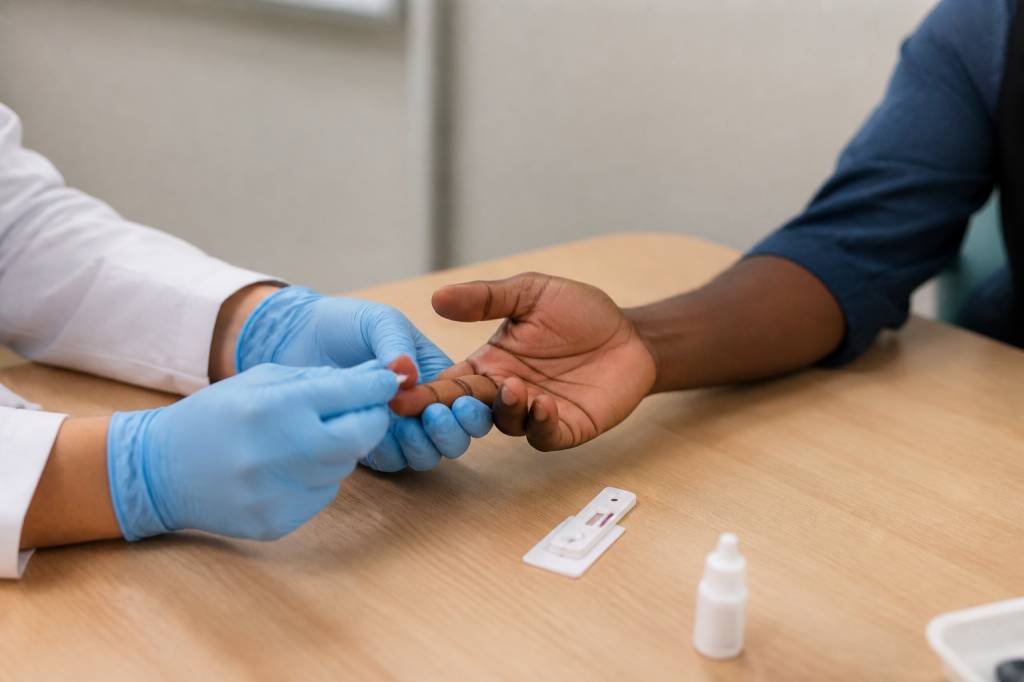
HIV can remain in the body for years without causing obvious symptoms. Some people experience a flu-like illness shortly after infection, including fever, fatigue, sore throat, swollen glands, or a rash. Others notice nothing at all. Because symptoms are unreliable, testing is the only way to know your status.
Early testing offers several important benefits:
-
It allows treatment to begin before the immune system is significantly affected.
-
It helps reduce the risk of passing HIV to sexual partners.
-
It gives people access to medical guidance, emotional support, and prevention resources.
-
It can identify other sexually transmitted infections that may also require care.
Testing is especially important after a possible exposure, when starting a new sexual relationship, during pregnancy, or if you have had sex without a condom or another form of protection. A healthcare professional can explain which test is appropriate and when it should be taken, because different tests detect HIV at different stages after exposure.
Many clinics, pharmacies, community health centers, and sexual health services offer confidential HIV testing. Some locations also provide self-testing kits. If you receive a positive result, try not to panic. A screening test is usually followed by a confirmatory test, and healthcare providers can guide you through every step.
HIV Is Transmitted in Specific Ways
HIV is not spread through everyday contact. You cannot get HIV from hugging, shaking hands, sharing food, using the same toilet, sitting beside someone, or being bitten by a mosquito. Saliva, sweat, tears, and casual skin contact do not transmit HIV.
HIV is transmitted when certain infected body fluids enter the bloodstream or come into contact with vulnerable tissue. The main routes include:
-
Anal or vaginal sex without effective protection, particularly when one partner has a detectable viral load.
-
Sharing needles, syringes, or other equipment used to inject drugs.
-
Transmission from a mother to her baby during pregnancy, birth, or breastfeeding, although treatment can greatly reduce this risk.
-
Rarely, exposure to contaminated blood through unsafe medical procedures or occupational injuries.
Oral sex carries a much lower risk than anal or vaginal sex, although the risk is not always zero. Open sores, bleeding gums, or another sexually transmitted infection may increase vulnerability. If you are unsure about a specific situation, a healthcare professional can provide accurate, confidential advice.
Understanding how HIV is transmitted helps replace fear with practical prevention. It also helps challenge harmful myths that can isolate people living with HIV. Accurate knowledge is a form of protection—for everyone.
Modern Treatment Can Protect Health and Prevent Transmission
The third essential fact is one of the most encouraging: HIV treatment works.
Antiretroviral therapy, often called ART, uses a combination of medicines to reduce the amount of HIV in the body. This amount is known as the viral load. When treatment is taken as prescribed, the viral load can become so low that standard tests cannot detect it. This is called an undetectable viral load.
Research has shown that people living with HIV who maintain an undetectable viral load through treatment do not sexually transmit HIV. This is commonly expressed as U=U, meaning “Undetectable equals Untransmittable.”
U=U is a major medical and public health message, but it depends on consistent treatment and regular medical monitoring. People living with HIV should work with a healthcare provider to choose the right medication, manage possible side effects, and check their viral load over time.
Treatment also protects the immune system. When HIV is managed successfully, people can often live a lifespan similar to that of people without HIV. They can work, exercise, build relationships, travel, and pursue their goals. HIV is a serious health condition, but it is not a reason to give up on a healthy and fulfilling life.
Prevention Is Personal and Practical
There is no single prevention strategy that suits everyone. The best approach depends on your relationships, health history, and circumstances. Options include:
-
Condoms: When used correctly and consistently, condoms help prevent HIV and many other sexually transmitted infections.
-
PrEP: Pre-exposure prophylaxis is medication for people who do not have HIV but may have a higher chance of exposure. When taken as prescribed, it significantly reduces the risk of acquiring HIV.
-
PEP: Post-exposure prophylaxis is emergency medication taken after a possible exposure. It must be started as soon as possible, generally within 72 hours, and is taken for a prescribed course. If you think you may have been exposed, contact an emergency department or healthcare provider immediately.
-
Regular testing: Testing helps you make informed choices and ensures that treatment can begin quickly if needed.
-
Never sharing injection equipment: Use new, sterile needles and syringes, and seek support from a harm-reduction or addiction treatment service if needed.
Prevention does not need to be complicated. A conversation with a healthcare provider can help you decide whether PrEP, condoms, regular testing, or another strategy makes sense for you.
Healthy Living Supports the Immune System
Medical treatment is the foundation of HIV care, but daily habits can also support overall well-being. A balanced lifestyle does not replace ART, yet it can improve energy, mood, heart health, and quality of life.
Helpful habits may include:
-
Eating a varied diet with vegetables, fruits, whole grains, beans, lean proteins, and healthy fats.
-
Staying physically active through walking, strength training, cycling, swimming, or another enjoyable activity.
-
Getting enough sleep and creating a consistent bedtime routine.
-
Avoiding tobacco and limiting alcohol or recreational drug use.
-
Keeping up with vaccinations and routine medical appointments.
-
Protecting mental health by speaking with a counselor, joining a support group, or staying connected with trusted people.
If you take HIV medication, tell your healthcare provider about supplements, herbal products, or other prescriptions. Some products can interact with antiretroviral medicines. “Natural” does not automatically mean risk-free—your pharmacist or doctor can help you check safely.
Stigma Can Be Harmful to Everyone
HIV-related stigma remains one of the biggest barriers to testing and treatment. When people fear judgment, they may avoid healthcare services or hide their status. That can harm their health and increase the chance of undiagnosed transmission.
Small changes in language can make a meaningful difference. Instead of saying someone “suffers from AIDS,” use respectful language such as “a person living with HIV.” Avoid assumptions about how someone acquired HIV. The virus does not define a person’s character, relationships, or worth.
If someone tells you they are living with HIV, listen without judgment. You do not need to become an expert immediately. A simple response such as, “Thank you for trusting me,” can offer reassurance. Remember that a person’s medical information is private and should never be shared without permission.
When to Seek Medical Advice
Contact a healthcare provider if you have had a possible HIV exposure, experienced symptoms after a potential exposure, or want to discuss testing and prevention. Do not wait for symptoms to appear. If the exposure happened within the past 72 hours, ask urgently about PEP, because timing matters.
If you have received a positive HIV test result, professional support is available. Modern treatment can control the virus, protect your immune system, and prevent sexual transmission when an undetectable viral load is maintained. The next step is not blame—it is care.
Knowledge is one of the most effective tools for better health. Knowing the difference between HIV and AIDS, understanding how transmission occurs, and recognizing the power of testing and treatment can help you protect yourself and support others with compassion. Reliable information, regular healthcare, and respectful conversations can move us closer to a world where HIV is treated promptly and stigma no longer stands in the way.