5 hand washing steps for better hygiene and health
5 hand washing steps for better hygiene and health
Why hand washing still matters more than ever
Hand washing is one of those habits that sounds almost too simple to matter. Yet it remains one of the most effective ways to protect yourself and the people around you from germs, viruses, and everyday illnesses. In a world full of high-tech health tools, the humble soap-and-water routine still does a lot of heavy lifting.
Think about everything your hands touch in a single day: door handles, phones, keyboards, grocery carts, gym equipment, railings, and, yes, that packet of snacks you opened after touching public surfaces. Your hands are constant travelers, and they collect microscopic hitchhikers along the way. Most of the time, your immune system handles the situation well. But good hand hygiene lowers the odds of bringing unwanted germs into your eyes, nose, mouth, or onto food.
For busy families, students, office workers, and anyone trying to stay well through cold season, proper hand washing is a small habit with a big payoff. The good news? It does not need to be complicated, time-consuming, or fancy. What matters is doing it correctly and consistently.
When should you wash your hands?
The “when” is just as important as the “how.” You do not need to scrub your hands every five minutes, but there are moments when washing is non-negotiable if you want to reduce the spread of germs.
Wash your hands:
- Before eating or preparing food
- After using the bathroom
- After coughing, sneezing, or blowing your nose
- After touching animals or cleaning up after them
- After being in public places, especially crowded ones
- After handling garbage
- Before and after caring for someone who is sick
- After touching shared surfaces like gym equipment or shopping carts
A quick reality check: if your hands look clean, that does not always mean they are clean. Germs are invisible, which is exactly why hand washing works best when it becomes a habit rather than a reaction.
Step one: Wet your hands with clean running water
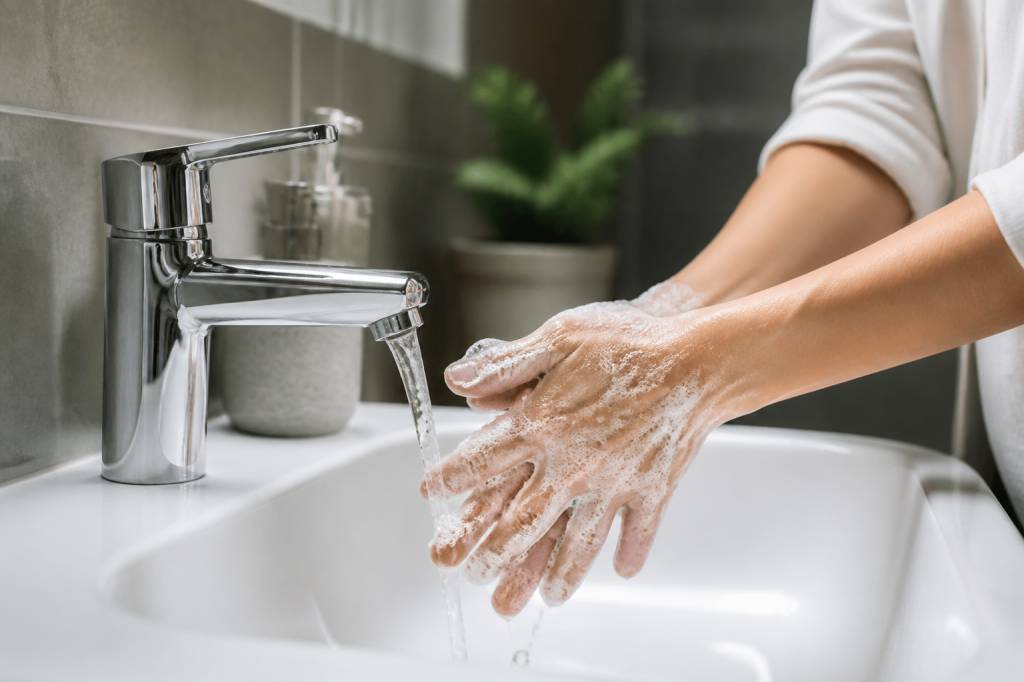
The first step is simple, but it matters. Start by wetting your hands with clean, running water. Warm or cold water both work, so there is no need to turn this into a debate worthy of a family group chat. What matters most is that the water is running, not sitting still in a basin.
Why running water? Because it helps wash away loosened dirt and germs after you lather. If you are at home, use the sink. If you are in a public restroom, make sure the water is actually flowing before you begin. And if you are a parent trying to wash a child’s hands, this is usually the part where they try to touch everything except the water. Stay patient. Tiny hands need guidance, not pressure.
Wet your hands fully, including the backs of your hands and between your fingers. Starting with wet skin also helps soap spread more evenly in the next step.
Step two: Apply soap and lather well
This is where the magic happens. Soap does more than make your hands feel fresh. It helps break down oils and lift germs from the skin so they can be rinsed away. That means soap is not optional if you want a truly effective wash. Water alone is better than nothing, but soap does the heavy lifting.
Use enough soap to cover both hands. You do not need to empty half the bottle into the sink, but a tiny dot is not enough either. Work the soap into a rich lather, covering the palms, backs of the hands, between the fingers, under the nails, and around the thumbs.
If you have ever noticed how easy it is to miss the thumb or the fingertips, you are not alone. Those areas are commonly overlooked, yet they are often the ones that touch the most surfaces. Think of this step as a full-hand reset, not a quick rinse.
For children, turning this into a mini game can help. Ask them to “soap up every finger like it’s wearing a tiny winter coat.” Silly? Yes. Effective? Also yes.
Step three: Scrub for at least 20 seconds
Duration matters. Scrubbing your hands for at least 20 seconds gives soap enough time to loosen dirt and germs properly. If 20 seconds sounds abstract, here is an easy trick: hum the “Happy Birthday” song twice. By the time you are done, you are usually in the right range.
During those 20 seconds, do not just rub the palms together and call it a day. Make sure you clean:
- The palms
- The backs of the hands
- Between the fingers
- Around the thumbs
- Under the nails
- The wrists, if needed
Scrubbing should be thorough but not aggressive. You are cleaning your skin, not sanding a piece of wood. Gentle friction is enough to dislodge germs and debris.
Here is a helpful mental image: if your hands had “high-traffic zones,” where would they be? Fingers, nails, thumbs, and knuckles are the usual suspects. Give them extra attention.
Step four: Rinse thoroughly under running water
Once your hands are well lathered and scrubbed, rinse them under clean running water. This step removes the soap along with the dirt, oils, and germs it has lifted away. Take your time here. A rushed rinse can leave soap residue behind, especially between fingers and near the wrists.
Hold your hands downward so the water carries everything away from your fingertips and off your skin. That sounds obvious, but in a hurry people often forget the direction of the rinse. If you are helping a child, remind them to keep their hands pointed down, almost like little waterfalls.
If you are washing your hands at a sink with a crowded counter, try to avoid touching the faucet or sink edge with clean hands after rinsing. It is a small detail, but details matter when you are trying to stay hygienic.
And if you are tempted to skip the rinse because the soap “feels clean anyway,” resist. Leftover soap can irritate the skin and, more importantly, you want the germs gone, not just relocated.
Step five: Dry your hands completely
Drying your hands is the final step, and it is more important than many people realize. Damp hands can transfer germs more easily than dry hands, so leaving your hands wet is not ideal. After rinsing, dry thoroughly with a clean towel, paper towel, or hand dryer.
If you are at home, use a clean towel that is washed regularly. In shared spaces, paper towels can be especially practical because you can use them to turn off the faucet and open the door if needed. That extra step can help you avoid recontaminating your freshly washed hands.
Pat your hands dry rather than rubbing aggressively, especially if your skin is sensitive. If you are prone to dry or cracked hands, this is also a good moment to apply hand lotion after drying. Healthy skin is part of healthy hygiene. Cracked skin can become uncomfortable and may make you less likely to wash as often as you should.
Think of drying as the final seal on the process. If washing removes the germs, drying helps make the effort stick.
Common hand washing mistakes to avoid
Even people with excellent intentions sometimes miss the mark. A few small habits can reduce the effectiveness of hand washing, so it helps to know what to watch out for.
- Washing for less than 20 seconds
- Skipping soap
- Missing the backs of the hands, thumbs, or nails
- Using stagnant water instead of running water
- Touching dirty surfaces after washing
- Leaving hands damp after drying
Another common mistake? Washing only when hands look dirty. Germs do not wait for visible evidence. That is why a consistent routine matters, especially before meals and after public outings.
And yes, hand sanitizer can be useful when soap and water are not available. But when you have access to a sink, soap and water remain the gold standard for effective hand hygiene.
Why proper hand washing supports overall health
Good hand hygiene does more than help you avoid a single cold. It supports broader health by reducing the spread of infections at home, at work, in schools, and in places like gyms or clinics. That matters because germs move quickly through shared spaces. One person forgets to wash, touches a common surface, and suddenly the whole chain gets a little messier.
For families, this can mean fewer sick days and less stress. For athletes and gym-goers, it can help limit exposure after touching equipment or locker room surfaces. For people who work in healthcare, food service, or education, it is simply part of protecting the people they serve.
There is also a psychological benefit. Small, repeatable habits create a sense of control. When life feels chaotic, a straightforward routine like hand washing can be surprisingly grounding. It is one of those rare healthy habits that is cheap, accessible, and effective. What is not to like?
How to make hand washing stick as a daily habit
The best hygiene habit is the one you actually do. If hand washing sometimes slips your mind, the trick is to link it to routines you already follow. Habit stacking works well here.
For example, you could wash your hands:
- Right before every meal
- As soon as you get home
- After using the restroom
- Before and after a workout
- After taking out the trash
If you have children, make hand washing part of the rhythm of the day rather than a punishment or lecture. Sing a song, use a timer, or keep a fun step stool by the sink. The easier and more predictable the routine, the more likely it is to stick.
Adults need reminders too. Keeping soap visible, placing a small reminder near the kitchen sink, or keeping hand lotion nearby can make the routine feel more natural. Good habits are often less about willpower and more about smart setup.
A small habit with a big health payoff
Hand washing may not sound glamorous, but it is one of the simplest ways to protect your health and support the well-being of people around you. The five steps are easy to remember: wet, soap, scrub, rinse, dry. That is it. No complicated equipment, no expensive products, no fitness tracker required.
When done well and done regularly, hand washing becomes more than a routine. It becomes a quiet form of self-care and community care at the same time. A few extra seconds at the sink can help keep germs from spreading through your day, your home, and your body.
So the next time you walk away from the bathroom or kitchen sink, ask yourself one simple question: did I really wash my hands, or did I just give them a quick splash and hope for the best? If it was the second one, you know what to do.